
Mental Health & Wellbeing
What We Do at Carr Green
Worry Groups: Small group sessions for children needing extra emotional support. These groups are run in partnership with the Mental Health Support Team, providing expert guidance and early intervention.
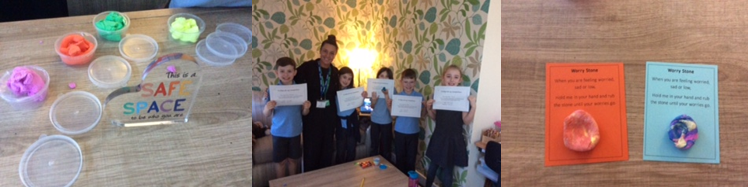
Calm Spaces: Quiet, welcoming areas within the school where children can take a moment to relax, reflect, and regulate their emotions. These spaces are designed to be safe and nurturing, giving children the time and support they need to feel calm before returning to class. Staff are available to guide and reassure children, helping them develop strategies for managing worries, stress, or upset feelings in a positive way.
Trusted Adults & Check-Ins: Children at Carr Green have access to a network of trusted teachers, support staff, and pastoral team members who are available to listen, provide guidance, and offer reassurance. Regular check-ins give children the chance to talk about their thoughts, feelings, or worries in a safe and confidential space. These conversations help staff identify any early signs of emotional distress and provide timely support, while also helping children develop the confidence and strategies to manage their own wellbeing.
Partnerships with Local Mental Health Services for Early Intervention:Carr Green works closely with a range of local mental health services to ensure children get the support they need as early as possible. These partnerships allow staff to access specialist guidance, referral pathways, and targeted interventions for children experiencing emotional or behavioural challenges. By working together with mental health professionals, we can provide timely, personalised support, prevent issues from escalating, and help children build resilience, coping skills, and positive wellbeing habits.
What Parents Can Do
- Talk openly about feelings with your child: Encourage your child to share their thoughts, worries, and successes. Listen without judgment and let them know it’s okay to express emotions.
- Look for changes in behaviour, sleep, or mood: Notice if your child becomes withdrawn, anxious, or unusually upset, or if their sleeping or eating patterns change. Early observation helps identify when extra support may be needed.
- Contact the school if additional support is needed: Reach out to your child’s teacher, pastoral staff, or the Designated Safeguarding Lead. The school can provide guidance, access to support services, and help your child get the right care.
External Support Services
- Kooth: Free, safe and anonymous online mental wellbeing support for young people → Home - Kooth
- Open Minds (Calderdale): Local child mental health support → 01422 300 001 → Northpoint Wellbeing | Mental Health Support in West Yorkshire
- YoungMinds Parents Helpline: Support and advice for parents concerned about their child’s mental health → Parents Mental Health Support | Advice for Your Child | YoungMinds
- Childline: ree, confidential support for children and young people up to age 19. Call 0800 1111 or chat online anytime→ Childline support for young people (NSPCC)
- Night OWLS: provides free emotional listening and crisis support for children, young people, and families across West Yorkshire each night Phone: 0800 148 8244, Text: 07984 376950 & Online chat available on their website → Night OWLS « Openminds in Calderdale
- NSPCC: offers resources on child wellbeing, online safety, and how to talk to children about their feelings. They also have helplines for worries about children’s safety → https://www.nspcc.org.uk
Helpful Documents and Resources
Helping your child with anxiety