
Online Safety & Social Media
What We Do at Carr Green
At Carr Green, we are committed to helping children use the internet safely and responsibly. Our approach includes:
- Teaching safe and responsible internet use: Children learn about the importance of protecting personal information, recognising online risks, and behaving respectfully when interacting with others online. Lessons are tailored to be age-appropriate and engaging, ensuring children understand both the benefits and potential dangers of the digital world.
- Monitoring online access in school: We provide a safe digital environment by monitoring the websites, apps, and platforms that children use at school. Staff ensure children are accessing age-appropriate content and guide them to resources that support learning while staying safe online.
- Staff training to identify online risks: All staff receive regular training to recognise signs of cyberbullying, inappropriate content, grooming, or other online dangers. This ensures they can respond quickly and appropriately if any concerns arise.
- Promoting open communication: Children are encouraged to speak to trusted adults if they encounter anything online that makes them feel uncomfortable, worried, or unsafe. Parents are also supported with guidance on discussing internet use at home.
What Parents Can Do
- Discuss online activity regularly with your child: Talk openly about the apps, games, and websites your child is using. Ask them what they enjoy, and gently explore any worries or concerns they might have. This helps children feel safe to share their experiences and reinforces responsible internet use.
- Use parental controls and monitor app usage: Set up appropriate parental controls on devices and platforms to help protect your child from inappropriate content. Keep an eye on new apps, games, and social media accounts they may be using, and ensure these tools are used to guide rather than restrict learning and fun.
- Encourage children to speak up if something online makes them uncomfortable: Let your child know that it’s okay to tell you or another trusted adult if they see something upsetting, experience cyberbullying, or are contacted by strangers online. Remind them they won’t get into trouble for asking for help, and that adults are there to support them.
- Lead by example: Model safe online behaviour yourself, such as respecting privacy, thinking before sharing, and maintaining positive online interactions. Children often mirror adults’ habits and attitudes toward technology.
Signs to Look Out For
Parents and carers should be aware of potential signs that a child may be experiencing online issues or distress:
- Secrecy about online activity: Children who suddenly hide their screens, delete messages, or avoid sharing what they are doing online may be encountering content or interactions that make them uncomfortable.
- Distress after using devices: Watch for signs of upset, anxiety, or agitation after online activity. This could include crying, anger, withdrawal, or appearing unusually quiet.
- Sudden changes in behaviour: Noticeable changes in mood, social interactions, or habits—such as becoming withdrawn, irritable, refusing to attend school, or losing interest in hobbies—may indicate online stress, cyberbullying, or exposure to inappropriate content.
- Physical signs: Lack of sleep, headaches, or other stress-related symptoms after screen time can also indicate distress linked to online experiences.
- Avoidance of friends or family: If a child seems to isolate themselves, avoids talking about their day, or suddenly stops interacting with friends and family, it may signal problems online.
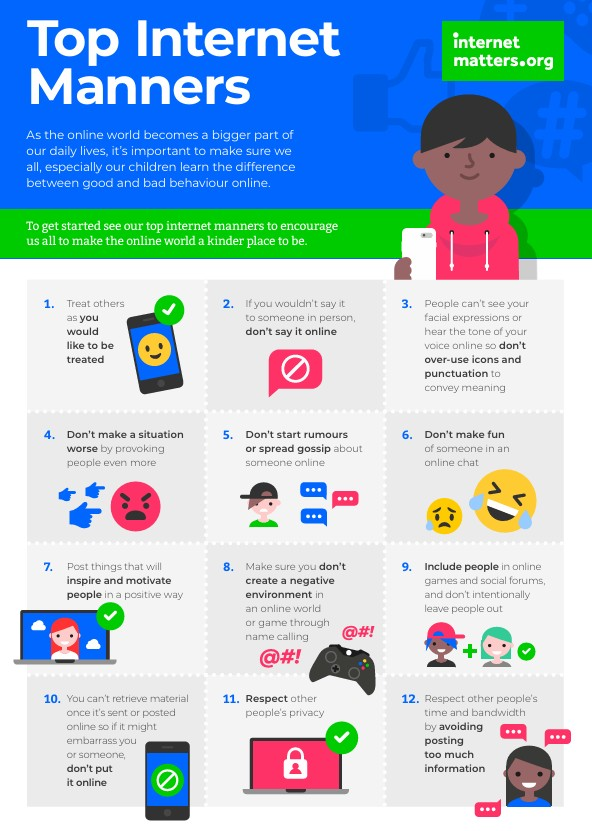
Online Safety Advice & Parent Guidance
|
Resource |
What It Offers |
Website
|
|---|---|---|
|
National Online Safety (#WakeUpWednesday)
|
Weekly online safety tips & guidance for parents | https://nationalcollege.com/national-online-safety‑wakeupwednesday |
|
National Online Safety – Parent Resources
|
Courses, guides, videos for carers |
https://nationalcollege.com/national-online-safety |
|
NSPCC – Online Safety Advice |
Trusted UK support and safety guides |
https://www.nspcc.org.uk/keeping-children-safe/online-safety/ |
|
NSPCC – Talking to Your Child
|
Conversation starters & tips |
https://www.nspcc.org.uk/keeping-children-safe/online-safety/talking-child-online-safety/ |
|
CEOP – Report Online Abuse |
Report unsafe contact online |
https://www.ceop.police.uk/safety-centre/ |
| Childline |
Free confidential help for children |
https://www.childline.org.uk/ |
| Internet Matters |
Parental controls & safety tools |
https://www.internetmatters.org/ |